

Yakima School District #7
Trust Relationships and the Work of Keeping Schools Safe
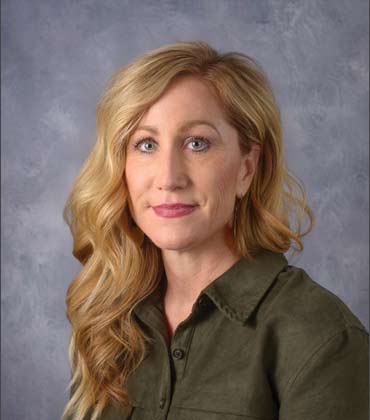
Sara Cordova
Safety as the Foundation of Learning
My approach to safety is built on the belief that students can only reach their full potential when they feel completely secure. This began in the classroom as a primary teacher, where I learned that physical and emotional safety must come first for any learning to happen. As a mother, this remains personal; I view our students' safety through the same lens I do for my own children.
When I moved into administration as an Assistant Principal, I paired this protective mindset with formal operations, leading safety drills and building partnerships with law enforcement that make our protocols actually work. These experiences as both a teacher and a building administrator were foundational; they shaped the beliefs and practices I use every day as Director of Safety and Security. I’ve found that a secure school is a blend of being ready for the ‘what-ifs’ while maintaining a warm, welcoming environment. When our safety protocols are sharp and reliable, it clears the way for teachers and students to focus on school without worry. It allows our teachers to truly teach and our students to focus on the learning and relationships they need to succeed.
When Safety Becomes Part of How Schools Simply Operate
Two key trends are transforming school safety which are; empowering staff to respond to emergencies and prioritizing student well-being following a crisis.
In our district, we have moved away from a top-down model by providing all staff with wearable safety badges. These allow anyone to instantly alert the building to a problem, while digital mapping tells responders exactly where to go when every second counts. This system also gives us the flexibility to use specific responses like "Secure and Teach" to keep schools safe without causing unnecessary alarm. It has been a game-changer for us.
Equally important is our Handle with Care program, developed with local law enforcement. When a student is involved in a traumatic event outside of school, the police notify us so that the child’s teacher knows to "handle them with care" the next day. Our schools and our community love this program because it acknowledges that students can't focus on learning if they are carrying a heavy burden. By combining quick-response technology with emotional support, we ensure our schools are truly safe places to be.
Achieving that kind of responsiveness, however, depends on safety feeling natural rather than imposed. Safety works best when it’s just a steady part of how we operate. When those measures are working quietly behind the scenes, the school doesn't feel like a high-security building, but rather, it just feels like a normal, caring school where families know their kids are safe.
"A secure school is a blend of being ready for the ‘what-ifs’ while maintaining a warm, welcoming environment. When our safety protocols are sharp and reliable, it clears the way for teachers and students to focus on school without worry."
It is essential that our staff feels empowered. When they have the tools and authority to prioritize safety, it takes the weight of that worry off their shoulders. That sense of preparedness allows them to feel valued and gives them the space to focus on what they do best: teaching our children.
Ultimately, when security is handled with precision behind the scenes, it creates a sense of calm. This allows us to maintain a supportive atmosphere where students feel secure and the focus stays exactly where it should be, on their growth and success.
Building Credibility Before You Ever Need It
In my experience, whether it’s a major crisis or just a messy day-to-day challenge, everything succeeds or fails based on communication and clarity. You have to be incredibly intentional about including everyone who has a stake in the outcome.
In my district, for example, we’ve developed a key partnership with our technology department that has completely changed how we handle emergencies. Because they can monitor our cameras and communicate with us through our technology platform in real time, we have an extra set of eyes on the ground when we need it most.
This level of integration proves that when you’re transparent and give people clear guidelines, it takes the guesswork out of the situation. It allows everyone to stay calm and actually focus on what they need to do to keep things running safely. If I had to give one piece of advice to someone starting out, it’s this: Your success in this field is built entirely on trust and relationships. You can have the best safety plans in the world, but they won't work if people don't trust you or the process.
That work starts inside the district. You need to be visible and accessible to your colleagues, so they know you’re there to support them, not just to enforce rules. But it can't stop at the school doors. You have to be proactive about building real partnerships with community leaders, our local police department, the court system, and first responders. Those relationships shouldn't start during an emergency; they need to be solid long before a crisis ever happens.
Beyond the people side of things, you just have to do your homework. Make sure you truly know and understand the safety standards in your district inside and out. When you have a solid grasp on those protocols and the trust of the people around you, you’re able to lead with a lot more confidence.

Get the best of Education Insider delivered directly to you.
