

Mississippi Christian University School of Law
Preparing Future Attorneys Through Confidence, Connections and Clarity

Ellen Robb
Ellen Robb serves as Assistant Dean of Career Services at Mississippi Christian University School of Law (MC Law), where she draws on her background as a practicing attorney and former law clerk to connect students with legal professionals and career opportunities. Through strong employer engagement and alumni relationships, she has contributed to strengthening placement outcomes, including the school’s growing success in federal clerkships.
Her recognition as Assistant Dean of Career Services of the Year 2026 by Education Insider reflects an approach grounded in preparing students not just to enter the legal profession, but to step into it with confidence and clarity.
Building Professional Confidence through Real-World Connections
Looking back at my journey, without a doubt, the network of contacts I built during my years as a practicing attorney has been instrumental in how I do my job today. In many ways, I came into this role with what you might call a “book of contacts,” built over years in practice. I connect our students and recent graduates with practicing attorneys and others in the legal profession through those relationships, many of which go back to my time in law school. That allows me to talk about the importance of relationships that begin as a 1L in a very concrete way.
What stands out most to me is realizing and accepting that the future of the legal system is in the hands of the students I see every day. I remind them often, “The legal profession is yours; you are the leaders of tomorrow. You will decide how our legal foundation will grow and change, or what will remain the same.” My role is to help them see that and feel ready to step into it.
Confidence is central. An attorney has to meet with clients, stand in court and present their position, and you have to do that with confidence. That does not happen automatically. I encourage students, point out strengths they may not even recognize and help them understand how those strengths can be useful. At the same time, there is a fine line between confidence and arrogance, so I always tell them they also have to listen, take feedback and continue learning.
Helping Students Turn Early Challenges into Long-Term Careers
It is better to be direct with students rather than soften reality. That is not always easy, because feelings are involved. Today’s students feel things deeply, and for many, failure has never been an option before law school. Grades, rankings and job outcomes can feel overwhelming.
What I tell students is that what feels like a setback right now does not define where they will end up. Over time, they build confidence, discover more opportunities and develop the kind of grit that carries them forward. Some of my best days are when I hear from graduates who struggled in law school but have accepted their first attorney job.
"Because MC Law is located near a federal courthouse, judges, clerks and court personnel regularly engage with students, creating awareness and encouraging exploration."
The same thinking applies when students are balancing academics and career planning. If someone is struggling academically or is on probation, I encourage them to focus on their studies first rather than rushing into a job search. There are ways to gain legal experience through the curriculum, and getting back on track academically serves them better in the long run.
I also remind students that their first job may not be where they ultimately want to be. That role is an opportunity to gain experience, build relationships and develop skills. If an employer says “no,” it does not mean “no, not ever.” Staying connected and expressing continued interest can change outcomes over time.
 A Relationship-Driven Approach to Federal Clerkship Success
We are very proud of our graduates who have been placed in federal clerkships, and they deserve the credit. From our side, we try to build confidence across the student body and help them see these opportunities early.
A key resource is our network of professors, instructors and alumni who have served as law clerks. They speak with students about their experiences and offer guidance on the application process.
"At MC Law, we often use the phrase ‘All Rise.’ To me, that reflects the idea that every student, regardless of their background or experience, has opportunities available to them."
Early exposure is also critical. We introduce clerkships early so students can begin considering them from the start. Because MC Law is located near a federal courthouse, judges, clerks and court personnel regularly engage with students, creating awareness and encouraging exploration. Learning outside the classroom reinforces that exposure. Visits to the John Minor Wisdom U.S. Court of Appeals Building in New Orleans allow students to sit in courtrooms and hear judges speak firsthand, making the work tangible.
Externships also provide hands-on experience, whether in federal, local, appellate or even tribal courts. Given how competitive clerkships are, we encourage students to seek feedback and continue improving their applications.
Where Networking Becomes Opportunity Creation
Employer engagement depends on consistent networking. A core part of my role is going where attorneys are, like bar conventions, meetings and conferences, to ensure we remain connected.
Some of the most effective strategies are not complicated. During events like First Wednesday lunches, I make a point of speaking with people I know and introducing myself to those I have not met before. I ask directly whether they are looking for a student worker or an associate, or if they know of any opportunities. And honestly, that kind of direct communication is what works.
Listening to recent graduates has also helped identify new opportunities. The time between graduation and bar results can create a gap, and students need ways to use that time productively. Remote work and roles supporting AI-driven legal content have become valuable options. They help students gain experience and strengthen their resumes while they wait.
Expanding Access and Inclusion across the Student Body
At MC Law, we often use the phrase ‘All Rise.’ To me, that reflects the idea that every student, regardless of their background or experience, has opportunities available to them.
For first-generation students, I encourage them to focus on building confidence in their own abilities. Each student is responsible for their performance and growth.
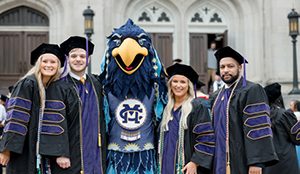 For underrepresented students, connection is critical. We connect students with legal professionals who share similar backgrounds or experiences. Student organizations, including the Hispanic Law Student Association, play an important role, along with scholarship programs for top applicants from Historically Black Colleges and Universities. That support network continues beyond law school.
Preparing Students for a Changing Legal Market
The outlook for the legal market is strong. There is a clear demand for licensed attorneys, and that demand is expected to continue, especially as a large portion of the profession approaches retirement.
We are thinking about how to help students step into those roles over time, including connecting them with attorneys who may be nearing retirement so they can learn their practice and continue serving those communities.
At the same time, the profession is evolving with technology. With the increased use of AI, skills like record and citation checking are becoming more important. We are working to build those skills into the curriculum early so students are better prepared.
Leadership in this role also means recognizing that each student group has different needs. First-year students, upper-level students and recent graduates are at different stages, whether they are working on their first resume or seeking a position after the bar exam.
Being direct, patient and a careful listener is essential. Some conversations are not easy, and you can see the disappointment on a student’s face, but avoiding those conversations does not help them. In some situations, guidance means offering support. In others, it means encouraging independence and telling them to take the next step on their own.
At the end of the day, the focus is always on putting students first, both as a group and as individuals.

Get the best of Education Insider delivered directly to you.
