

High Point Regional High School District
The Enduring Purpose of Educational Leadership
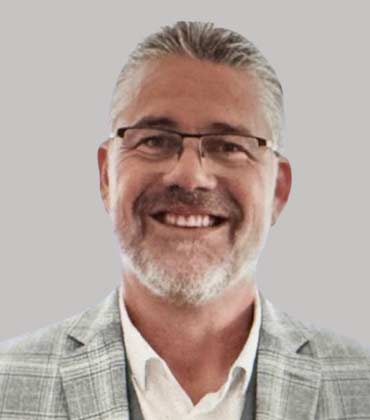
Dr. Scott D. Ripley
Dr. Scott D. Ripley brings expertise in school governance, organizational culture, strategic planning, student safety and educational practice. His perspective centers on educational leadership as a moral responsibility and the development of intellectual excellence and character.
Leadership Begins with Belief
Every generation inherits the responsibility of educating the next. How we fulfill that responsibility depends on a fundamental question: What do we believe about the children entrusted to our care? Our answer shapes every decision we make and, ultimately, every school we become.
Children are not merely preparing for the future. They are becoming the people who will create it. For me, educational leadership begins with the conviction that every student possesses inherent dignity, immeasurable worth and the capacity for continual growth. Education is far more than the transmission of knowledge. It is the formation of intellect, character, wisdom and responsibility.
Over my career, I have found that the most significant leadership decisions were rarely the most visible. They were often quiet choices involving people, priorities and principles, requiring careful judgment while never losing sight of the students those decisions would affect.
Educational leadership is not fundamentally about managing institutions, but about faithfully stewarding the lives entrusted to our care. It also requires resisting the temptation to pursue what is merely popular in favor of what careful judgment, sound evidence and enduring principles suggest is right for students.
Balancing Expectations and Compassion
Too often, educational leaders are encouraged to choose between high expectations and compassion. I believe students flourish when they experience both unwavering standards and authentic care. Excellence without compassion becomes cold. Compassion without expectations becomes sentimentality.
“Academic achievement remains essential, but character, wisdom, perseverance and the capacity to contribute meaningfully to others are equally indispensable to a life of purpose.”
Our responsibility extends beyond preparing students for graduation, college or careers. We are entrusted with helping young people develop judgment, humility, integrity, courage and compassion. Academic achievement remains essential, but character, wisdom, perseverance and the capacity to contribute meaningfully to others are equally indispensable to a life of purpose.
Professionalism is ultimately a reflection of character. Leadership is ultimately an exercise in stewardship. Every member of a school community contributes to the culture that students experience each day. Children often forget individual lessons. They rarely forget the adults who believed in them.
Leadership is measured not by position, but by influence. It begins with humility, is strengthened through service and is demonstrated through sound judgment, ethical conduct and the consistency of doing what is right, even when doing so is difficult.
Keeping the Purpose of Education at the Center
The challenges facing education will evolve. AI, cybersecurity, student mental health, declining trust in public institutions, financial pressures and rapidly changing technologies will reshape schooling in the years ahead. The tools of education will continue to evolve, but the purpose of education must endure.
Schools occupy a position of profound public trust. Every decision should reflect what is educationally sound and ethically responsible while remaining in the best interests of the children entrusted to our care.
The measure of a school is not simply what its students achieve, but who its students become. Every policy, program, allocation of resources and administrative decision should ultimately advance their growth, well-being and flourishing. When it does not, educational leaders need the wisdom and humility to reconsider.
Long after strategic plans have been rewritten, technologies replaced, budgets forgotten and educational trends passed into history, one question will remain: Did we faithfully steward the lives entrusted to our care?
If former students leave our schools not only better educated but wiser, more honorable, more compassionate and better prepared to serve others, then our leadership will have accomplished something that no test score, strategic plan or annual report can fully measure.

Get the best of Education Insider delivered directly to you.
