

Marion City Schools
Human-Centered Leadership in Modern Education
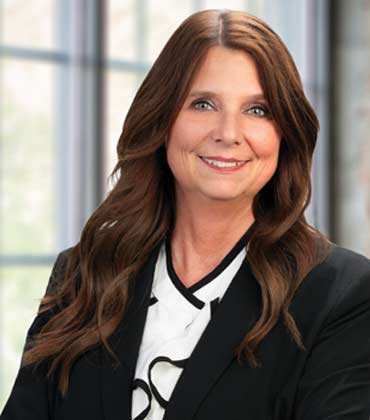
Dr. Garilee Ogden
Dr. Garilee Ogden is the Assistant Superintendent of Academics at Marion City Schools, with more than 25 years of leadership experience in public education across New Mexico and Ohio. Her career began in journalism before transitioning into teaching and school leadership.
She has served as a superintendent, assistant superintendent, elementary, intermediate and mid-high school principal and later held central office roles focused on assessment, accountability, curriculum and professional development. Dr. Ogden has also worked in the private sector as a Strategic Measure Specialist at Battelle for Kids, supporting districts with data-driven decision-making and strategic planning.
Throughout the interview, Dr. Ogden makes clear that lasting educational impact depends on purposeful leadership. Strategic clarity guides her decisions, while human connection ensures those decisions remain grounded in the realities of students, educators and communities. Systems and innovations, in her view, carry value only when they advance equity, integrity and meaningful learning.
| At A Glance:
• Purposeful Leadership: A human-centered approach that balances strategic clarity with deep collaboration to drive lasting academic and community impact. • System-Wide Alignment: District goals unified through cohesive planning while empowering schools with the flexibility to meet the unique needs of their students. • Whole-Child Support: An integrated, multi-tiered system backed by real-time data to ensure academic, social-emotional, behavioral and attendance needs are met for every learner. • Technology with Integrity: Innovation and AI guided by professional judgment, equity and educational values to strengthen learning without losing its human core. |
Professional Journey: Discovering the Work that Truly Matters
Over the course of my career, which has included leadership roles across multiple districts and service as a superintendent in South Columbus, I have come to understand where my work has the most significant impact. While every role shaped my perspective, I realized that the academic side of education is where my heart truly belongs.
"I believe human-centered leadership must remain at the heart of our work. Effective decision-making requires us to thoughtfully balance professional expertise with student needs."
That realization led me to my current role as Assistant Superintendent of Academics at Marion City Schools. I support all K–12 schools across the district and oversee our academic portfolio, including English Learner programs, gifted education, special education and new instructional initiatives. After all the professional experiences I have had, this is the work that feels most meaningful to me, and it is the work I love.
Scaling Academic Excellence: Collaboration and Instructional Alignment
Collaboration is essential to school improvement because it builds leadership efficacy and teacher efficacy, which directly support student success. When principals, educators and district leaders work together, decisions improve because responsibility for outcomes is shared.
Shared understanding allows everyone to focus on the exact expectations and work toward the same goals. I am a firm believer in cohesive strategic planning because well-defined district goals make expectations clear and keep the work focused. Those goals must be communicated consistently so decisions across the district remain aligned. Clear expectations strengthen operational effectiveness by keeping decisions and actions anchored to shared priorities.
When work is aligned, systems operate more efficiently and with greater purpose. Instructional alignment across schools also matters, but alignment does not mean using the same strategies in every building. Each school has its own demographics, culture, leadership strengths and student needs. While district goals remain consistent, strategies must reflect the realities of each school to be effective.
Strategic Priorities: Consistency, Care and Continuous Improvement
One of the strategic priorities I am most proud of is our integrated, multi-tiered system of support, as it enables us to respond to the whole child. The framework addresses academics, behavior, social-emotional needs, attendance and outside challenges that students cannot always control.
We developed a data dashboard that teachers use across the district to support this work. The dashboard provides shared resources, processes and protocols so teachers know what to look for and how to respond. This structure helps ensure consistent implementation while still allowing educators to meet students where they are.
Students’ needs change, which is why progress must be revisited regularly. We review multiple data points, not just assessments, to determine whether students are receiving the right support at the right time. Ongoing review helps ensure that all students, across all subgroups, are supported and that no one is overlooked.
AI and Academic Excellence: Powered by Professional Expertise
I value technology for the opportunities it creates, particularly for students who have limited access to experiences beyond their communities. Tools such as virtual reality allow students to explore environments and concepts they might not otherwise encounter, and our teachers use technology thoughtfully to enhance instruction.
After nearly three decades in education, I believe human-centered leadership must remain at the heart of our work. Effective decision-making requires us to thoughtfully balance professional expertise with student needs. When we plan intentionally to bring these together, we create meaningful and successful learning experiences. We are shaping the future of humanity, and we must never lose sight of the human impact of our work.
Dependence on tools that promise efficiency can happen quickly. Responsible leadership requires constant examination of whether those tools are equitable, appropriate and beneficial for students. We do this by reviewing data across student subgroups and examining outcomes collaboratively to ensure the tools we use support both integrity and quality in education.
Vision for the Future: Innovation Guided by Educational Values
Over the next three to five years, innovation will likely expand what is possible in ways we cannot fully anticipate. Technology will continue to shape instruction and learning experiences, creating new opportunities for both students and teachers.
That is why I remain deeply committed to ensuring that high-quality learning stays rooted in collaboration, conversation, problem-solving, reading, writing and meaningful classroom discourse. The path forward requires balance—embracing progress while protecting the human core of learning.
Advising for Tomorrow: Continuous Learning is the Key to Growth
When I speak with emerging district leaders, my advice always begins with one belief. Never stop being a learner, no matter how long you have served in your field or how senior your role becomes. For leaders, continuous learning is not optional. Education itself is constantly evolving, and the only way to guide schools responsibly through that change is with curiosity, openness and a commitment to ongoing growth.
Meaningful system-level impact is created through intentional collaboration and deep listening. When leaders engage principals, colleagues and stakeholders with humility and purpose, they gain the insight needed to understand the diverse perspectives and evolving needs of students and communities.
Strong leadership demands both action and reflection. It requires being decisive while listening carefully and making thoughtful decisions that strike a balance between urgency and understanding. When leaders possess these qualities, they create a lasting impact for students, teachers and the communities they serve.
Get the best of Education Insider delivered directly to you.
