

Fayette County Public Schools
Growing Great Teachers, Growing Great Learners
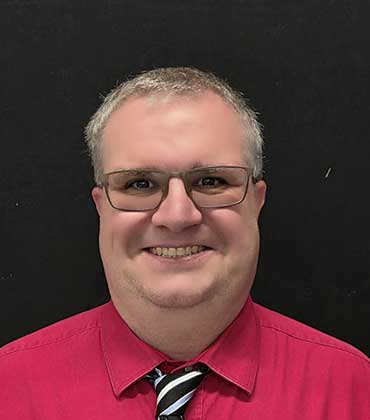
Brian Butera
Leading through Relationships and Teacher Growth
My experiences as a classroom teacher have had the greatest influence on how I lead. Teaching taught me that meaningful learning begins with relationships, maintaining high expectations and a commitment to continually reflecting on our practice. Students thrive when they know their teachers believe in them, understand them and are committed to their growth.
Those experiences shaped my belief that the most important work I do as a principal is ensuring exceptional teachers are in front of students. That begins with being deliberate about hiring. I look for educators who demonstrate a passion for students, a commitment to their craft and, perhaps most importantly, a willingness to learn and grow. From there, my responsibility is to create the conditions for teachers to develop through collaboration, meaningful feedback, professional learning and reflection. When we invest in great teachers, we create great experiences for students.
Balancing Rigor with Student Well-Being
Academic excellence and student well-being are interconnected. Students learn at higher levels when they feel known, supported, challenged and connected.
That requires us to continually reflect on both what we teach and how we teach it. Today's middle school students are growing up in a rapidly changing world, so our instructional practices must continue to evolve while our expectations remain high. We must create relevant learning experiences that encourage students to think critically, collaborate, communicate and take ownership of their learning.
Our responsibility is to know our students well and equip teachers with the strategies, resources, collaboration and professional learning necessary to respond to their needs without compromising rigor.
Building Trust through Presence and Growth
Trust begins with being present, listening and consistently following through. I believe leaders must stay close to the work of teaching and learning by spending time in classrooms and engaging teachers in meaningful conversations about their practice.
With teachers, I approach leadership through growth rather than compliance. Classroom observations should generate reflection and professional dialogue, not simply satisfy a requirement. Professional learning should address the needs we see in our classrooms and collaboration should allow teachers to examine student learning and learn from one another. Because of our proven track record, in our PLC’s, we are focusing on how to teach rather than what to teach.
“Technology will change, but the importance of great teachers will not.”
Being deliberate about the teachers we hire to be in front of the classroom is also critical to building culture. Skills can be developed, but I want people who believe in students, value collaboration, welcome feedback and want to improve. When we bring the right people together and then intentionally develop them, strong relationships and collective responsibility follow.
Preparing Students for Learning in an AI Era
Artificial intelligence and rapidly evolving technology will undoubtedly influence education, but the larger question is what great teaching and learning should look like when information is instantly accessible.
Our focus must move beyond acquiring information toward helping students think critically, solve problems, communicate effectively, evaluate information and apply their learning. This requires educators who are reflective and adaptable enough to evolve alongside their students.
Technology will change, but the importance of great teachers will not. Our challenge as leaders is to recruit, develop and retain educators who embrace innovation while preserving the relationships and human connection that makes learning meaningful.
Leading by Learning and Developing Others
Stay close to teaching and learning by being in the classroom. My goal is to be in every classroom every week. Secondly, be incredibly intentional about the people you bring into your school. Hiring may be one of the most consequential decisions a principal makes. Do not simply hire to fill a vacancy. Rather, hire people who share your commitment to students, who want to learn and who will contribute to the culture you are building.
Next, invest in staff. Give teachers opportunities to collaborate, lead, take instructional risks, receive meaningful feedback and reflect on their practice. Developing people is not separate from improving student achievement. Developing people is how sustainable improvement happens.
Finally, model the learning you expect from others. Great leaders do not need to have every answer. They need the humility to ask questions, the courage to act on what they learn and the discipline to continually reflect and improve. If we expect our teachers and students to be lifelong learners, we must be willing to demonstrate what that looks like.

Get the best of Education Insider delivered directly to you.
