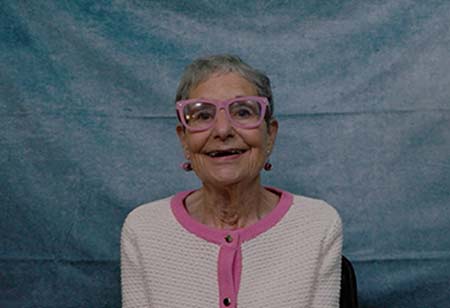

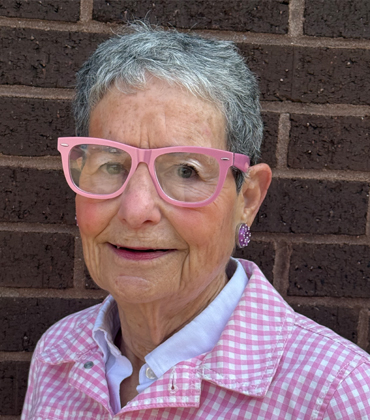
 Linda J. Jacobs, Executive Director
“No matter what we're doing, the children's needs are what we pay attention to,” says Linda J. Jacobs, executive director.
Since opening its doors with just four students in a rented room, the Maryland-based special education school has grown into a thriving community that now helps 360 students with a staff of 171 across three buildings.
It serves students with a wide range of disabilities and learning challenges, including autism spectrum disorders, depression and anxiety disorders. Rather than teaching to those disabilities, the school teaches to each child's strengths. Lessons are delivered through phonics, visual and tactile methods, reading, movies, hands-on experimentation and immersive experiences. Students do not take tests or earn grades. Instead, they achieve specific behavioral competencies to earn course credits. Its unique curriculum is recognized in the Library of Congress.
Real-World Learning Driving Impactful Results
More than completing worksheets, The Harbour School emphasizes the practical application of knowledge in everyday life. From World War I simulations to science experiments, learning is designed to help each child succeed in the way that works best for them.
In English, students study the literature of a historical period alongside the history of the time, creating a complete immersion that helps them understand how history influences literature and vice versa. Mathematical concepts are reinforced through practical experiences such as budgeting for meals during community outings. They learn how democracy works by writing letters to legislative representatives and observing the outcomes. Students at the school's Annapolis campus also visit the Maryland State Legislature, where they watch legislative sessions and meet lawmakers, gaining firsthand insight into how government works in practice. Money management lessons often extend into the community, where students use real money and make real purchasing decisions.
-
No matter what we're doing, the children's needs are what we pay attention to.
Supporting the school’s value proposition is a close-knit culture that fosters a strong sense of family among students, staff and families. For 12 consecutive years, the school has been recognized as a Top Workplace in Maryland through an anonymous survey completed by staff and administrators. In a field where educator turnover is often high, over 25 percent of the school's staff has remained for at least a decade, reflecting a strong sense of purpose, stability and community.
Building Pathways for Lifelong Success
Preparing students for life beyond school is a key priority. The Harbour School's transition program begins in middle school, where students explore workplaces and identify their interests and strengths. In high school, they progress through job exploration, job sampling and volunteer placements before securing competitive employment as seniors—a graduation requirement. This structured approach has contributed to strong outcomes, with at least 90 percent of graduates employed, enrolled in post-secondary education, or both, a figure that sometimes reaches 94 percent.
Student outcomes remain one of the strongest reflections of the school's philosophy. One recent graduate joined The Harbour School after being told she could not earn a high school diploma. She went on to successfully graduate, earn a state award for the best academic average among high school graduates and gain acceptance to a preparatory program in Israel. After completing that program, she is going to pursue training to become a pediatric occupational therapist.
Looking ahead, the school is developing a new initiative, the Harbour Magic Tent. It provides ongoing support after graduation by helping alumni and their families navigate government requirements and connect with adult services they may qualify for.
The Harbour School continues to demonstrate the power of student-centered, strengths-based education that prepares students for meaningful participation in work and community life.