


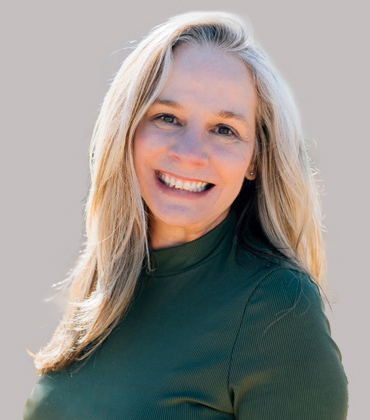
 Lisa Smith, Principal
While most schools compete on scale, rankings, and performance metrics, New World Educational Center has taken a different approach by building its identity around belonging. While academics remain a strong and essential focus, the school prioritizes building relationships first, allowing students to achieve lasting academic success.
A K–12 charter school, it provides continuous, student-centered education grounded in close relationships and a strong sense of community. Step onto campus, and you will find students greeted by name, classrooms where teachers know not just academic levels but also personalities, and a culture where familiarity builds confidence.
Its mascot, the narwhal, often called the “unicorn of the sea,” offers an apt metaphor. Like the narwhal, the school is rare, but real: a living, breathing culture sustained over decades.
Founded in 1976 as a private institution before transitioning into a charter school in 1999, New World Educational Center has grown not by expanding its size, but by strengthening its identity. As it celebrates 50 years of educational excellence, generations of families have remained connected to the school, with students returning as parents and, in some cases, as educators. This continuity has created a deeply rooted community built on trust, familiarity, and shared experience.
“Belonging is the foundation of everything we do. When students are truly known, the experience stays with them. It is why so many come back to be part of this community again,” says Lisa Smith, reflecting on a culture she first experienced as a teacher and now leads as principal.
How does shared ownership of students influence relationships across grade levels within schools?
With class sizes between 15 and 24 students, personalization is embedded in the daily experience. What truly distinguishes the model, however, is a shared sense of ownership for every student. Here, each child is “everyone’s student.” Teachers engage with students across grade levels, creating a network of familiarity and trust that extends beyond a single classroom. Older students model belonging, while younger ones grow into it. This cross-grade connection strengthens a culture in which students feel seen at every stage. Smaller class sizes also enable teachers to work closely with each student, providing individualized support that strengthens academic achievement and helps students build confidence in their abilities.
Why is creating a safe and trusting environment essential for student learning outcomes?
At the heart of this environment is a mission to create lifelong learners within a safe, comfortable, and trusting space, a mission that translates into practice through both culture and design. That sense of safety is both physical and emotional, reinforced by a single controlled campus entry point, comprehensive monitoring systems, and structured safety protocols that ensure students are protected throughout the day. Curriculum decisions are made collaboratively, drawing on teacher expertise, academic committees, and family input to ensure relevance and adaptability. Students are encouraged to take intellectual risks, ask questions, and engage without fear of failure.
-
Belonging is the foundation of everything we do. When students are truly known, the experience stays with them and it’s why so many come back to be part of this community again.
For those arriving from more traditional or high-pressure environments, the shift can be profound. Students often enter guarded, shaped by systems where performance outweighs connection. Over time, that posture changes. Within a consistent and supportive environment, they begin to participate more openly, take ownership of their learning, and develop a stronger sense of self.
In what ways do faculty stability and leadership continuity shape long-term educational experiences?
A critical driver of this consistency is faculty stability. Many educators have spent over a decade at the school, contributing to a shared culture and fostering long-term relationships that students experience year after year.
Leadership, too, understands this balance of continuity and evolution. Now in her first year as principal after more than a decade on campus, Smith brings both institutional knowledge and a forward-looking vision. During her time as a teacher, she introduced the school’s STEM program to expand opportunities for collaboration, creativity, and critical thinking, an approach she continues to build on as she works to strengthen student outcomes and broaden programming.
Operational choices further reflect an understanding of student and family needs, from a four-day academic week to the provision of free breakfast and lunch. These are not peripheral benefits, but extensions of a philosophy that sees students as whole individuals.
This philosophy, combined with New World Educational Center’s sustained commitment to community, consistency, student-centered learning, and a deeply embedded culture of safety, has earned it recognition as the top K–12 charter school of 2026. It is a place where students are known before they are measured, supported before they are tested, and understood before they are defined.
“We want every student to feel safe enough to take risks, to be themselves, and to grow into who they are meant to be,” Smith says. In that promise, and in its daily practice, the school becomes exactly what its mascot suggests: rare, but real.