

Acero Schools
The Power of Nutrition: Are we Doing Enough?
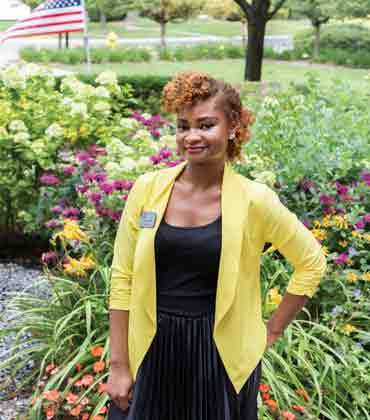
Karrah Cullers
Through this article, Karrah Cullers, Director of Nutrition and Wellness at Acero Schools, discusses the food deserts prevalent in Chicago's south and west sides and their impact on children's nutrition. She highlights Acero Schools' initiatives to combat this, including a monthly featured ingredient program with educational materials and a "Window To The World" cooking club exposing students to diverse cuisines and cooking techniques. Cullers emphasizes making food fun and interesting, citing examples like a Sorbet Sundae bar. She also stresses the need for network support and a strong relationship with the food service company to implement such programs effectively.
Chicago is a city known for its food. The Windy City boasts some of the most glamorous restaurants in the Midwest. We house some of the finest ethnic markets offering Nigerian, French, and Korean cuisine ingredients. Driving west through Chicago, you wouldn’t see any of this. Chicago’s south and west sides have pockets of food desserts, littered with fast food franchises and corner stores selling sugary snacks. You may find a few pieces of fruit, but they are severely overpriced and not the freshest. As a city, we have made progress in solving this issue, which is still a concern in some neighborhoods.
I’m the Wellness and Nutrition Coordinator for Acero Charter Schools, and love my job! I am privileged to influence the palates of many of Chicago’s marginalized communities. These students don’t have grocery stores within walking distance, and many don’t understand the importance of balanced nutrition. Bad eating habits in childhood can become detrimental in adulthood. The understanding of nutrition is not about starving or monitoring calories. It’s about balance, knowledge of what you’re consuming and enjoying a meal. In our wellness policy, we pledge to mold the individual, not just the student. In my role, I aim to educate and explore.
"Understanding nutrition is not about starving or monitoring calories. It’s about balance, knowledge of what you consume, and enjoying a meal."
I try to make food interesting and fun! Each month, we have a featured ingredient for the network. This item is offered at various times on our breakfast, lunch, or snack menu. We create a flier with nutritional and fun facts for the students to read. These get posted throughout the lunch rooms. This practice educates students on the foods we serve and acts as a catalyst for further food exploration. We are in the 2nd semester of our Window To The World cooking club. I created this program to expose our students to regional cuisines. Once a week, students gather to prepare a meal from a different country. They learn various cooking techniques, how to work with unfamiliar ingredients and the value of scratch cooking.
Our food service company has been a great ally to us. They help with menu creation and food sourcing, and their corporate chefs teach our club members. When instituting these types of programs, it is essential to have the support of your network and a great relationship with your food service company. Last Fall, we created a Sorbet Sundae bar for National School Lunch Week for our K-8 students. Watching them explore new flavor profiles and compare notes was a pleasure.
Get the best of Education Insider delivered directly to you.
Copyright © 2026 Education Insider Magazine. All rights reserved | Sitemap | Editorial Policy | Feedback Policy | Subscribe | Newsletter | Conferences 
Registration on or use of this site constitutes acceptance of our Terms of Use and Privacy Policy | Disclaimer
