

University of San Francisco
Designing Student-Centered Curriculum for Sport Industry
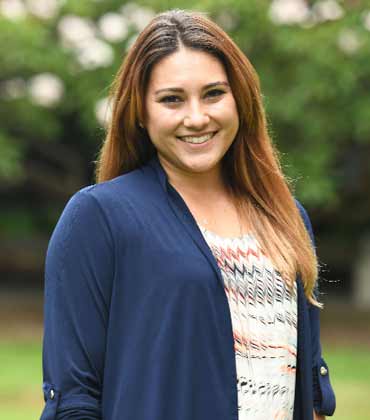
Ashley Sloper
Ashley Sloper blends her love for sports and education as Associate Director and Head of Professional Development, MS in Sport Management at University of San Francisco. Known for her student-first approach, she helps future leaders navigate the fast-paced sports world by connecting classroom learning with real-world industry insight and lasting professional relationships.
My Journey: Building a Life at the Intersection of Sports and Education
Two of my passions have always been sports and education, so I feel very fortunate to have made a career at that intersection. Early on, I worked within intercollegiate athletic departments at major universities, witnessing firsthand the transformative power of sports on the entire campus community. I have also had the opportunity to work closely with students from across the higher education landscape: high school students entering undergrad, first-time freshmen, first-generation, undergrad, graduate, transfer, student-athletes, alumni and non-traditional students. That breadth of experience has given me a holistic view of the student life cycle and the different challenges each group faces.
One of my key career milestones was earning my doctorate. My research examined the experiences of Division 1 student-athletes transferring from community college, a topic close to home as I had both advised this population and been a community college student myself. Exploring the systemic barriers they face deepened my appreciation for equity and access in higher education.
My roles evolved from advising to recruitment, admissions, marketing and enrollment management. At USF, I oversee operations and student support for over 200 graduate students across two campuses. Despite national graduate enrollment declines, our program has consistently exceeded targets by staying attuned to student needs. We revised the curriculum to finish in 18 months and preserved our in-person evening schedule. We also launched a successful alumni mentor program to bridge theory and practice.
Another milestone was designing and teaching “Aztecs Going Pro” at San Diego State, a four-year development curriculum. I now teach at USF, where I lead a global immersion course on international sport.
Professional Development Approach: Blending Technical Skills with Human-Centered Strengths
The faculty in the MS in Sport Management program provide a strong academic foundation and my goal is to layer on the experiences that prepare students for the competitive and fast-paced sports industry. A key component of our philosophy is that professional development is integrated from day one, both in curriculum and in supplemental programming, rather than being pushed to the end of the program. Professional development topics include networking opportunities, interview preparation and practice, mock interviews, career exploration and resume workshops.
Our Alumni Mentor Program pairs students with graduates who now hire and recruit for their organizations. Alumni, guest speakers, workshops and informal conversations give students a view of the day-to-day work in various roles and the skills that employers value. This has played an integral role in sustaining strong community relationships between alumni and current students and also serves as a way to keep alumni engaged after graduation. Through mentorship, students are able to visualize what they can accomplish and learn lessons on navigating career opportunities.
We avoid a one-size-fits-all model to professional development. One of the most impactful practices I implement is taking the time to meet individually with students to learn about their backgrounds and career interests. We work together to recognize skills gaps, highlight personal or professional experiences and craft a living resume and career plan. While there are no guarantees in such a competitive field, we focus on preparing students with both technical competencies and the interpersonal skills needed to build strong professional relationships.
“By regularly exposing students to hiring managers and alumni, you not only give them insight into the future of the industry, but also build a community of support that continues after graduation.”
Maintaining my own industry connections is equally vital. By nurturing partnerships, bringing in adjunct faculty who are current professionals and staying aligned with industry trends, we ensure our students are prepared with relevant, high-demand skills.
Relationship Building: Balancing Student Needs and Employer Expectations
Relationships and open communication are critical for effective mentorships and career coaching. We regularly check in with students about their goals and concerns and we listen closely to hiring managers about emerging needs. There is no single pathway to working in the sports industry, so coaching students on everything from recorded video interviews to group assessments can give them a competitive advantage when they are sitting in an interview chair.
One fortunate aspect of my role in managing our mentorship program is that I am able to pair students and mentors based on my relationships with alumni and students. I encourage students to look beyond job titles, to ask questions and learn from a person’s experiences, rather than focusing on the name of an organization. For mentors, I provide a framework for the type of professional development many students are seeking. This blend of structure and flexibility allows both parties to build relationships organically while ensuring that students get the guidance they are looking for.
The business of sports is a multibillion dollar industry, but entry-level jobs are often highly competitive and modestly compensated. I’m honest with students about that reality while reminding them that the skills we are developing, business development, analytics, communication, are assets for career longevity and prepare them for leadership roles. We also work with our students to broaden their perspective on what it means to work ‘in sports’. The traditional mindset of working for a professional team or league, being an agent or being a coach is still relevant and a goal for many. But there are also a plethora of opportunities with corporate partners, tech firms, marketing or media agencies, community park and recreation and at start-ups, I call these ‘sports adjacent’ opportunities. Exposing the breadth of the industry helps students align their passion with roles that fit their strengths and lead to meaningful careers.
Curriculum Strategy: Balance Academic Rigor With Hands-On Practice
Stay deeply connected to students and equally as connected to industries they aspire to join. Encourage leadership to balance academic theory with hands-on practice to create employment opportunities. By regularly exposing students to hiring managers and alumni, you not only give them insight into the future of the industry, but also build a community of support that continues after graduation. These connections also help us align curriculum and support to current industry trends. By listening to students, anticipating and preparing for industry shifts and fostering authentic relationships we can develop programs that are relevant and transformative for our students.
Get the best of Education Insider delivered directly to you.
Copyright © 2026 Education Insider Magazine. All rights reserved | Sitemap | Editorial Policy | Feedback Policy | Subscribe | Newsletter | Conferences 
Registration on or use of this site constitutes acceptance of our Terms of Use and Privacy Policy | Disclaimer
