

Mounds View Public Schools
Building a Culture of Belonging in Co-Curricular Activities
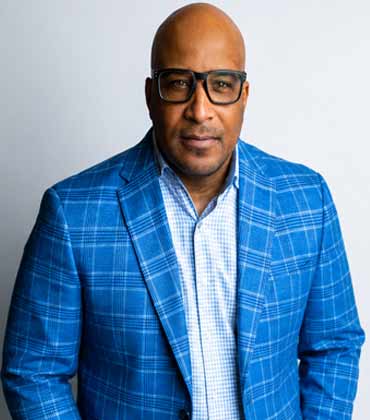
Jason Alexander Knighton-Johnson
Through this article, Knighton-Johnson explores how Culturally Validating Pedagogy and Leadership can transform co-curricular activities—particularly sports—into spaces of true belonging and personal growth for student-athletes. Drawing from personal coaching experience and educational frameworks, he highlights how intentional, culturally aware coaching fosters deeper relationships, reduces performance-based marginalization, and enhances both academic and emotional outcomes.
Culturally Validating Pedagogy and Leadership in Co-curricular Activities
A coach heads home after a late film session and he spots one of his athletes on his hands and knees under a streetlight. Curious, he asks, “What are you doing?” The athlete replies, “I'm looking for my car keys.” Being a supportive coach, he kneels to help search for the keys. After some time, the coach asks, “Are you sure you lost them here?” The athlete responds, “No, I lost them on the field, but this is the only place with light.”
Have you been in a situation like this? For 27 years as a multisport coach, I spent hours tackling program issues in the light every day. Those issues can be in response to perceived studentathletes' behavior, fans' behavior, or even our actions as a coaching staff. Reacting to what is expressed is often like looking in the street light when the problem hides in the dark. What lies in the dark is the disconnect between our purpose as coaches and the goal to win, which can lead to the marginalization of our studentathletes, similar to what happens in the classroom. Throughout, I will refer to coaches and student-athletes due to my frame of reference. However, these labels can be replaced with an advisor, a teacher, or any other stakeholder who impacts student experiences.
Classroom Extensions
In his book Inside Out Coaching, Joe Ehrman shares that sports should be considered co-curricular, not extracurricular. The term extracurricular implies that sports and coaching occur after the academic day. The term co-curricular designates activities as an educational activity with the potential to develop academic, social, emotional, moral and civic competency for every player (159).
Co-curricular activities are crucial in student athletes' academic achievement and overall personal well-being. They serve as vital classroom extensions by providing a platform for student athletes to explore their interests, develop essential skills and form meaningful relationships. However, as coaches, we often assume that our students feel a sense of belonging in our programs just because students choose to participate in activities.
“An authentic culture of belonging plays a vital role in shaping the future of co-curricular activities and academic achievement, instilling a sense of purpose in all involved. Through these efforts, students and educators can thrive in an environment that fosters connection, understanding and growth.”
Unfortunately, despite our efforts and intentions, programs often unintentionally impose a culture where belonging is based upon the athletic achievement of our student-athletes. This pressure can lead to significant stress and anxiety, ultimately undermining the main benefits of co-curricular activities.
To counter this, coaches should employ the framework of Culturally Validating Pedagogy and Leadership, emphasizing the importance of Each athlete's unique cultural and social identity. Focusing on the relevance and authenticity of Each relationship enables student-athletes to excel in both the co-curricular and academic environment, making them feel valued and respected, which encourages overall personal well-being.
Winning vs. Belonging
As coaches, we often have very competitive natures and prioritize goals focused on winning.
Who doesn’t strive to win, right? However, this emphasizes achievement as the primary measure of success for our teams, even when it does not align with our purpose for coaching. Most of us began coaching for the love of the game and a desire to share this passion while making a difference in students' lives.
The narrow focus on winning creates a competitive atmosphere where the most talented athletes naturally find belonging, as those who have yet to refine their skills are potentially sidelined. This literal and figurative sidelining can relegate athletes to a culture of fitting in rather than unconditional belonging. This is a significant issue, as a team culture prioritizing performance over personal connection leaves student athletes feeling isolated and undervalued.
The pressure to achieve can overshadow the essential need for belonging, leading to gaps that negatively affect the overall experience of Each student-athlete in the program. This achievement-before-belonging mindset may inadvertently discourage participation from those who could benefit most from the camaraderie and the personal growth co-curricular activities offer students.
Maslow's hierarchy of needs emphasizes belonging as a foundational element for personal development and motivation in the journey to self-actualization. For the student-athlete who may possess a desired talent level, the absence of a supportive and inclusive environment can severely hinder their sense of belonging. This lack of connection creates a belonging gap that impacts a student’s self-esteem and engagement in their chosen sports while potentially disconnecting them from the educational benefits of curricular activities, ultimately hurting classroom achievement. Coaches and program leaders play a crucial role in intentionally creating spaces where Each athlete feels valued for their unique contributions, regardless of their skill level, to foster this culture of belonging.
Validating Each Student
Culturally Validating Pedagogy and Leadership are imperative tools in fostering a truly inclusive environment for student-athletes, in which Each student understands that their value to the team is significant and indispensable, regardless of skill or ability.
When coaches intentionally work to expand their frame of reference to validate Each student, they develop a deeper understanding of the unique cultural experiences and human purpose that Each athlete brings to their programs. This understanding allows coaches to create an environment where athletes feel seen, valued and respected. By tailoring their environment and coaching style to reflect their team members' diverse backgrounds and values, coaches can enhance engagement and build a sense of belonging.
Culturally Validating Pedagogy in co-curricular activities is beneficial and essential for creating inclusive and supportive environments for Each student. Coaches and educators can develop experiences that value every individual's contributions and promote collaboration by focusing on a culture of belonging alongside achievement. This can be achieved by recognizing and celebrating Each student's unique talents and contributions while setting realistic and individualized goals for achievement.
As coaches, we play a pivotal role in fostering this inclusive culture, ensuring that Each student feels appreciated and included, fostering a sense of belonging and respect. As schools strive for academic excellence and social empowerment, the significance of Culturally Validating Pedagogy cannot be overstated in all aspects of a student's educational experience, from the classroom to the gym, theater, or field.
An authentic culture of belonging plays a vital role in shaping the future of co-curricular activities and academic achievement, instilling a sense of purpose in all involved. Through these efforts, students and educators can thrive in an environment that fosters connection, understanding and growth.
Get the best of Education Insider delivered directly to you.
Copyright © 2026 Education Insider Magazine. All rights reserved | Sitemap | Editorial Policy | Feedback Policy | Subscribe | Newsletter | Conferences 
Registration on or use of this site constitutes acceptance of our Terms of Use and Privacy Policy | Disclaimer
