
Dublin City School
Advancing Workforce Readiness through Holistic Student Development
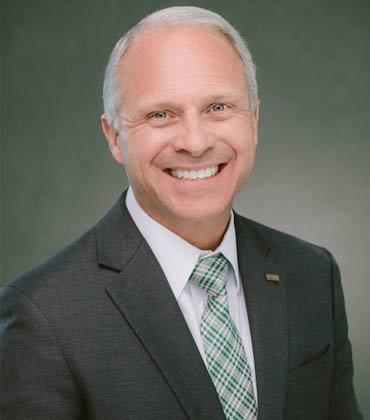
Dr. John Marschhausen
Beginning his career in a small rural district, John Marschhausen is now the Superintendent at Dublin City Schools with 20 years of experience leading four school districts. This hands-on background has helped him effectively lead larger districts like Dublin. Before, he worked as a social studies teacher, coach and high school principal. He believes in continuous improvement, striving each day to serve students and staff with dedication and care.
Recognizing Marschhausen’s leadership in cultivating a values-driven culture, embedding mental health support and aligning education with workforce needs, this interview explores how his comprehensive approach sets a benchmark for future-ready school systems.
• Values-Driven Culture Builds Resilient Communities – Responsibility, growth and unity are foundational values that guide decisions and strengthen belonging across the district.
• Mental Health Support Rooted in Trust – Licensed specialists drawn from the teaching staff embed care into daily school life, ensuring access and continuity beyond the school day.
• Education Aligned with Workforce Demand – Close collaboration with business leaders ensures the curriculum prepares students for high-growth industries and evolving job markets.
Building Culture through Values: Rooted in Responsibility, Growth and Unity
When we reflected on our values, we initiated a stakeholder engagement process that brought together voices from across the community, both within the school and beyond. We asked a guiding question: What defines Dublin? Through these conversations, we surfaced three foundational values that shape everything we do.
“Preparing students for the future requires more than traditional instruction; it calls for intentional collaboration, informed decision-making and a commitment to designing systems as dynamic as the world our students are entering”
We believe in a culture where everyone takes responsibility, owning attitudes and actions, whether things go well or fall short of expectations. This sense of accountability is something we strive to model through humility and reflection. That mindset creates the foundation for continuous growth. Learning from both success and failure, staying open to feedback and embracing a coachable spirit are practices we value across the district. Supporting all of this is a deep commitment to unity. Collaboration, meaningful connection and collective effort are not just encouraged, they’re essential to how we move forward. When people feel part of something larger than themselves, progress becomes more sustainable and culture becomes more authentic.
These values have long existed in the fabric of our community. As leaders, it’s not our role to impose values on a district. Rather, it’s our responsibility to recognize what a community already holds dear, to elevate those values and to let them guide our culture and continuous improvement.
Focus on Mental Health Access: An Approach Rooted in Relationships and Trust
Our approach to student mental health started within our organization. All 25 of our current mental health specialists began their careers as teachers. These experienced educators had demonstrated empathy, a strong connection with students and a natural ability to lead within their school communities. We supported them in obtaining master’s degrees in social work to become licensed mental health professionals. Because they were already part of our schools, familiar with the students, the staff and the broader community, they’ve stepped into their new roles with a level of trust and understanding that is difficult to replicate.
This initiative arose from a pressing need expressed by families. Parents informed us that securing counseling appointments for their children often involved waiting periods of six to eight months. In response, we sought a solution that we could effectively manage and implement.
Creating Safe Spaces: Expanding Support Beyond School Hours
We’ve recognized that students’ mental health can’t be addressed by schools alone. It requires a partnership with parents. To support that, we’ve adjusted the schedules of some of our mental health specialists so that services aren’t limited to the school day. Now, those specialists meet with students and parents together during evenings and weekends.
This shift is essential because without a strong bridge between school and home, our efforts become fragmented; they end the moment a student walks out of the building. We’re focused on creating a continuum of care that includes and empowers families, engaging parents as essential partners in this work.
At the core of this approach is a simple truth: if students aren’t safe and healthy, they can’t reach their full learning potential. Our outreach is about building strong, lasting connections between school and home, so that together, we can create the safest and most supportive environments for our children to live, learn and thrive in the world around them.
Driving Student Success: Aligning Curriculum with Employer Expectations
Serving on the Executive Workforce Board has provided an opportunity to engage directly with business and industry leaders from across Ohio. Collaborating with CEOs, senior executives and representatives from the governor’s office provides critical insight into the skills and competencies employers expect from today’s graduates.
This perspective has been instrumental in bridging the gap between education and workforce readiness. It challenges us, as leaders in public education, to align our instructional approaches with the evolving demands of the labor market. This ensures students graduate equipped to contribute meaningfully to the economy and their livelihoods.
Preparing students for the future requires more than traditional instruction; it calls for intentional collaboration, informed decision- making and a commitment to designing systems as dynamic as the world our students are entering.
The academy programs at Emerald Campus provide students with meaningful, real-world learning experiences during high school. Through structured internships, students engage directly with industry professionals, develop job-specific skills and gain practical insight into potential career paths.
These programs’ ability to support informed decision-making at an early stage is impactful. For some students, the experience affirms their interests and ignites a passion that drives their future aspirations. For others, it offers valuable clarity, helping them realize that a particular field may not align with their strengths or goals. Both outcomes are equally important.
Our academy programs equip students to take ownership of their journey by creating opportunities for exploration and reflection. This intentional, experience-driven learning prepares them for the future with clarity and direction.
Engaging Employers, Empowering Students: Aligning Education with Opportunity
Business leaders must engage directly with the school districts in their communities and communicate the skills they expect from graduates. That collaboration is essential to aligning education with workforce needs. For instance, we are currently working with one of the largest HVAC companies in the Columbus area. They identified a need for 20 new technicians annually, and we are now helping to meet that demand by preparing students for those roles.
Similarly, the healthcare industry, experiencing rapid growth nationwide, is creating flexible entry-level opportunities for high school students. These roles allow students to explore the field, earn income and often receive employer-supported career advancement. These partnerships are creating meaningful pathways for students while addressing real workforce challenges.
Get the best of Education Insider delivered directly to you.
Copyright © 2026 Education Insider Magazine. All rights reserved | Sitemap | Editorial Policy | Feedback Policy | Subscribe | Newsletter | Conferences 
Registration on or use of this site constitutes acceptance of our Terms of Use and Privacy Policy | Disclaimer
