
The concept of education itself has undergone an evolution where, apart from academic success, the development of students' abilities, such as emotional resilience and lifelong learning, has been considered. In response to changing educational trends, K-12 well-being curriculum providers have become important allies in helping create balanced learning environments that also take into consideration organizational goals.
Top K-12 Well-Being Curriculum Companies 2026
K-12 well-being curriculum companies provide structured learning programs that help schools support student mental health and personal development. With a focus on emotional awareness, resilience building, classroom usability and educator support, they support healthier school communities and stronger student growth.
Solutions
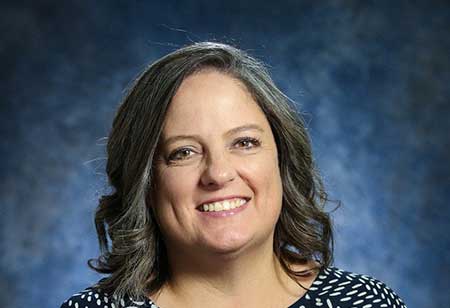
In Focus Education Group
Building the Foundation for Student and Educator Well-Being
Dr. Amy Miner, Founder
In today’s evolving K-12 landscape, academic achievement is increasingly connected to the ability of students and educators to feel supported, connected, and equipped with the skills needed to navigate challenges.
State of Industry
Leadership Perspective

University of Southern California
Representation in STEM Matters
Darin Gray, Ed.D. Director, K-12 STEM Center, USC Viterbi School of Engineering
Have you ever seen an ugly car and thought, “How did that happen?”
Have you ever wondered “Who thought that was a good idea?” after watching offensive commercials such as the body wash commercial that implies that brown skin is unclean, or the candy bar commercial that suggests that men kissing isn’t manly, or the commercial that intimates that an influencer with a soda can assuage the anger resulting from the death of Black men in police custody?
K-12 Well-Being Curriculum Companies Info
Q1
What Do Top K-12 Well-Being Curriculum Companies Typically Provide?
Top K-12 Well-Being Curriculum Companies develop structured learning programs that help schools address students’ emotional, social, and personal well-being alongside academic learning. These curricula may cover areas such as self-awareness, emotional regulation, relationships, resilience, decision-making, and healthy behaviors. Depending on the educational setting, programs can be delivered through classroom lessons, activities, guided discussions, digital resources, or teacher-led exercises. The broader purpose is to give educators practical ways to build well-being skills into students’ everyday learning experiences.
Q2
What Is Typically Included In K-12 Well-Being Curriculum?
Top K-12 Well-Being Curriculum Companies may offer lesson plans, instructional materials, classroom activities, assessment tools, educator resources, and age-appropriate learning content. Programs can be designed for different developmental stages, from early elementary students through high school. Some curricula also provide implementation guidance to help teachers incorporate well-being education into existing school routines rather than treating it as a separate subject. The content should remain developmentally appropriate while giving students opportunities to practice skills they can apply in school, relationships, and everyday situations.
Q3
Why Is Demand For K-12 Well-Being Curriculum Growing?
Demand for Top K-12 Well-Being Curriculum Companies is influenced by growing recognition that student well-being can affect classroom engagement, relationships, learning readiness, and school experience. Schools are also seeking structured approaches that help educators respond to social and emotional needs without placing the entire responsibility on individual teachers. Well-being curricula can provide a consistent framework across classrooms and grade levels. Demand is therefore shaped not only by concerns about student challenges, but also by schools’ broader interest in creating learning environments that support healthy development.
Q4
How Should Schools Evaluate K-12 Well-Being Curriculum Companies?
Schools evaluating Top K-12 Well-Being Curriculum Companies should examine curriculum quality, developmental appropriateness, instructional flexibility, educator support, and ease of implementation. Schools may also consider whether the content aligns with their educational goals, student population, and existing well-being initiatives. Clear guidance for teachers is important because even strong content can be difficult to implement without adequate preparation. Evaluation should also consider how the curriculum supports continuity across grade levels and whether schools can assess participation, learning progress, or changes in relevant student skills without reducing well-being to a single score.
Q5
How Can K-12 Well-Being Curriculum Create Value For Schools And Students?
Top K-12 Well-Being Curriculum Companies give schools a structured way to help students build skills they can use in class and in their relationships with others. A well-designed program can teach students to recognize emotions, communicate clearly, handle challenges, and make considered decisions. It also gives educators a common framework, rather than leaving well-being activities to individual teachers. The real value comes when students carry those skills into everyday situations and teachers can use them as part of normal school life.
Q6
What Role Do Expertise And Innovation Play In K-12 Well-Being Curriculum?
Expertise is important because well-being education requires content that reflects child development, classroom realities, and the different needs of students at various ages. Top K-12 Well-Being Curriculum Companies may use educational research, digital learning tools, interactive activities, and adaptable teaching resources to make instruction more relevant and accessible. Innovation should serve a clear educational purpose rather than add technology for its own sake. Strong curricula combine sound educational principles with practical delivery methods, giving teachers useful tools while keeping student participation, development, and real-world application at the center.
Get the best of Education Insider delivered directly to you.
